Remote work has changed a lot in the last five years. What used to feel like a luxury is now a standard way millions of freelancers, digital nomads, and remote professionals work every single day. But here’s the truth: remote work only feels good when you’re actually productive. And productivity doesn’t come from motivation alone — it comes from systems, tools, and habits that support your workflow.
The Science of Remote Productivity is no longer just about getting more done. It’s about working smarter, protecting your energy, and using technology to remove the friction that slows you down. Whether you’re a freelancer, a remote employee, or a digital nomad hopping from city to city, this guide will show you the tools and techniques people are using in 2025 to stay ahead.
Why “The Science of Remote Productivity” Matters in 2025
Remote workers today deal with distractions that never existed before. Notifications explode every minute. Tools multiply faster than you can learn them. And the pressure to produce more in less time keeps increasing.
That’s why The Science of Remote Productivity focuses on systems that make work feel lighter. Productivity becomes easier when you understand how your brain works, how tools automate your tasks, and how workflows reduce decision fatigue.
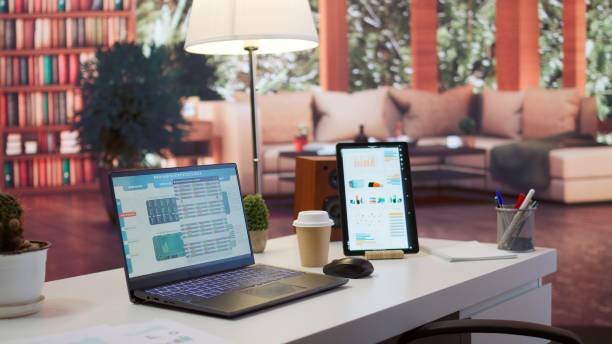
Most remote professionals struggle with:
- Too many apps
- Poor time management
- Lack of structure
- Communication overload
- Difficulty staying focused at home
This is where the right remote work tools and freelancer workflows make a huge difference. Let’s break down the tools and habits that actually work — backed by behavioral science and proven by successful remote workers.
The Psychology Behind The Science of Remote Productivity
Remote productivity is not about discipline. It’s about environment, cognitive load, and workflow design.
1. Your Brain Hates Switching Tasks
Every time you switch tabs or apps, your brain loses momentum. Studies show it takes 23 minutes to fully regain focus after a context switch.
This is why modern remote work tools focus on:
- Reducing tab-switching
- Automating small tasks
- Creating unified dashboards
- Streamlining communication
Fewer switches mean more deep work time.
2. Motivation Is Overrated
Freelancers often wait to “feel prepared” or “ready to work,” but motivation is unreliable. Systems beat motivation every time.
The Science of Remote Productivity recommends:
- Fixed routines
- Daily rituals
- Pre-set task lists
- Clear boundaries between work and home
3. Remote Work Thrives on Asynchronous Collaboration
Teams across time zones can’t rely on real-time chats. This is why async tools are dominating in 2025. When you work asynchronously:
- You do deeper work
- You avoid constant interruptions
- You produce better results
- You protect your schedule
This is a core principle of modern freelance productivity.
The Best Remote Work Tools of 2025 (Proven & Practical)
Let’s break down the tools that support The Science of Remote Productivity — tools that reduce stress, improve communication, and help freelancers work smarter.

AI-Powered Remote Work Tools That Make Life Easier
Notion AI – The Ultimate Brain for Remote Professionals
Notion AI remains one of the best remote work tools in 2025. It combines note-taking, project management, automation, and content creation in one place. Instead of using multiple apps, you can run your entire freelancer workflow from one dashboard.
Why it works:
- Reduces decision fatigue
- Centralizes all tasks
- Helps you think clearly
- Automates repetitive work
If you’re serious about The Science of Remote Productivity, Notion AI should be your command center.
Motion – The AI That Plans Your Day Automatically
Motion takes your tasks, meetings, deadlines, and goals — and builds a perfect schedule for you. It’s built for freelancers who need strong time management but don’t have time to plan every hour.
Motion increases freelance productivity by:
- Auto-rearranging your schedule
- Protecting deep work blocks
- Blocking distractions
- Reducing mental load
This is time management for freelancers at its finest.
Loom – Asynchronous Collaboration Made Simple
Loom lets you record quick videos instead of typing long messages. It’s perfect for remote teams and digital nomads working across time zones.
Asynchronous collaboration with Loom:
- Saves meeting time
- Reduces misunderstandings
- Boosts clarity
- Helps you communicate faster
It’s one of the essential work from home tools in 2025.
H2: Remote Work Tools for Focus & Distraction Control
Forest – Train Your Brain to Stay Focused
Forest uses behavioral science to keep you off your phone. You plant a virtual tree. If you stay focused, it grows. If you open your apps, it dies.
Why it’s powerful:
- Gamifies focus
- Builds discipline through repetition
- Encourages deep work
This is a classic example of how The Science of Remote Productivity uses psychology to improve workflow.
Freedom – Block Distractions Across All Devices
Freedom blocks websites, apps, and notifications across your laptop and smartphone. It’s built for remote workers battling digital noise.
Great for:
- Freelancers who get distracted easily
- Digital nomads working from cafés
- Anyone who needs deep focus time
Brain.fm – Music Backed by Neuroscience
Brain.fm uses AI-generated music designed to improve concentration. It’s not just background noise — it’s built on cognitive science.
Remote workers love it because:
- It reduces anxiety
- It increases focus
- It creates a deep work environment
This tool supports the mental side of remote productivity.
Work From Home Essentials for Maximum Efficiency
A Good Chair & Ergonomic Workspace
No matter how good your tools are, you can’t be productive in pain. A comfortable chair, adjustable desk, and proper lighting are true work from home essentials.
A good ergonomic space helps:
- Reduce burnout
- Improve focus
- Support long work sessions
Even digital nomads should invest in small portable ergonomic setups.
Fast Internet & Backup Connection
Remote work collapses without strong internet. Freelancers also need a backup, such as:
- Mobile hotspot
- Pocket Wi-Fi
- Second SIM card
This ensures uninterrupted workflow — a key part of freelancer productivity.
Noise-Canceling Headphones
These headphones create a bubble of focus. Especially useful for:
- Remote workers with kids at home
- Shared apartments
- Cafés and co-working spaces
A small investment, a big productivity return.
The Freelancer Workflow System for 2025
Let’s talk about the workflow successful freelancers use today — a system built on The Science of Remote Productivity.
H3: Step 1 — Morning Ritual (Brain Activation)
Start your day with simple rituals:
- Drink water
- Quick stretch
- Write your top three priorities
- Avoid scrolling
This primes your brain for focus.
Step 2 — Use a Single Daily Dashboard
Freelancers who use multiple tools get overwhelmed. The best workflow uses one daily dashboard in Notion, ClickUp, or Motion.
Everything should be in one place:
- Tasks
- Deadlines
- Notes
- Goals
- Deliverables
Clarity boosts productivity.
Step 3 — Deep Work First
Your brain is sharpest in the morning. Start with your most important task.
Deep work =
- No notifications
- No multitasking
- No meetings
This is where high-income freelancers thrive.
Step 4 — Asynchronous Communication
Reply in batches. Don’t stay inside chat apps all day. Use tools like:
- Loom
- Slack async
- Notion comments
- Email batching
Async keeps your day under control.

Step 5 — Review & Shutdown Ritual
End your day with:
- Reviewing tasks
- Organizing tomorrow’s list
- Mentally closing work tabs
This reduces stress and improves sleep — a crucial part of remote productivity science.
Digital Nomad Tips for Staying Productive on the Road
Being a digital nomad looks fun on Instagram, but real productivity takes planning. Here are the top tips based on The Science of Remote Productivity.
Choose Work-Friendly Locations
Look for:
- Quiet cafés
- Coworking spaces
- Reliable internet
Sync Work With Your Energy Schedule
Travel drains energy. Plan deep work when you feel fresh.
Keep Your Workflow Cloud-Based
This ensures you can work from any country, any laptop, any time.
Protect Your Health
Nomads who skip sleep or good food lose focus fast.
Use Offline Tools When Traveling
Apps like Notion, Google Docs, or Obsidian offer offline modes — perfect for flights and buses.
Time Management for Freelancers (Science-Backed Strategies)
Time management for freelancers is different from time management for office workers. You have more freedom — but more responsibility.
Use Time Blocking
Block 2–3 hours for specific tasks. This reduces decision fatigue.
Avoid Multitasking
It lowers productivity by 40%. Focus on one thing at a time.
Use the 2-Minute Rule
If something takes under 2 minutes, do it immediately.
Plan Tomorrow Today
This gives your brain a clear direction in the morning.
Track Your Hours
Use tools like:
- Toggl
- Clockify
- Harvest
Tracking improves awareness and discipline.
The Future of Remote Productivity in 2025 and Beyond
Remote work is not slowing down. In fact, it’s getting better. AI, automation, and async tools are making remote life easier, faster, and more human.
The future of The Science of Remote Productivity includes:
- AI assistants managing your day
- Smarter collaboration tools
- Voice-based workflows
- Emotion-aware productivity apps
- Personalized focus schedules
Work will become more automated. The human role will focus on thinking, creativity, and decision-making.
Final Thoughts: Tools Don’t Matter Without Systems
Tools help, but systems transform your life. When you combine remote work tools with strong habits, you get true freelance productivity. You work smarter. You earn more. You feel less stressed.
The Science of Remote Productivity is really about freedom — freedom of time, freedom of location, and freedom from burnout.
If you want to level up your remote career in 2025, build your workflow around these tools, habits, and systems. Your remote life will feel lighter, smoother, and far more productive.