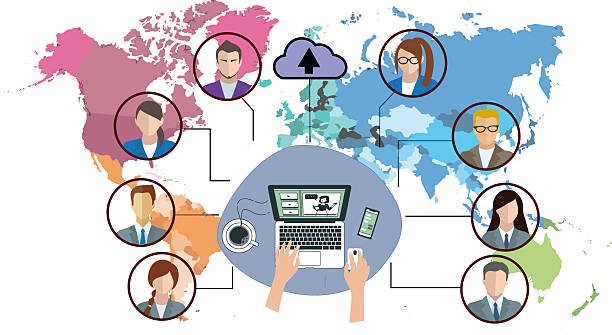
Distributed teams are now the backbone of modern work. Companies hire talent from anywhere. Freelancers log in from different time zones. Digital nomads jump between cities while meeting deadlines. And remote employees balance work from home essentials with real-life responsibilities.
But even with all this freedom, there’s one big challenge: staying human. Staying connected. Feeling like a team.
That’s where the tools come in. Not just any tools—the tools that help us collaborate, communicate, build trust, and stay productive without losing the human touch.
In this deep-dive guide, we’ll explore the tools that keep distributed teams human—along with remote work tools, freelance productivity systems, asynchronous collaboration habits, and digital nomad tips that make work feel natural, friendly, and human.
Why “The Tools” Matter More Now Than Ever
Remote work isn’t new, but the way we work has changed forever. Teams now span countries. Meetings happen over screens. People join from bedrooms, co-working hubs, airports, and cafes.
But human connection doesn’t always translate through a screen.
That’s why the tools we use must support real relationships, not just tasks.
Good tools don’t just help you work.
They help you belong.
They help freelancers stay in sync.
They help digital nomads feel grounded.
They help remote teams build trust.
Let’s explore the tools that make this happen.
The Tools That Build Strong Communication
Communication is the heart of every team. But for distributed teams, communication is also the hardest part.
Human-Centered Messaging Tools
Most teams use Slack or Discord. And while these are great, they can feel noisy and overwhelming.
The tools that keep communication human are simple, calm, and intentional.
Some great examples include:
Twist
A messaging app designed for asynchronous collaboration.
Messages stay organized.
Notifications stay quiet.
People think before they reply.
It gives teams space to breathe.
Basecamp Campfire
Simple, clean, distraction-free.
Great for small teams who want to keep work conversations grounded without turning everything into a “chat storm.”
WhatsApp or Telegram (For Small Teams)
Groups stay close-knit.
Voice notes feel personal.
And communication feels like real life.
These tools create space for human conversation—quick, warm, and friendly.

The Tools That Strengthen Human Collaboration
Collaboration isn’t just about files and tasks. It’s about working together in a way that feels natural.
Visual Collaboration Tools
Visual tools turn ideas into something everyone can see.
Miro
A virtual whiteboard that feels alive.
Teams brainstorm, draw, and sticky-note like they’re in the same room.
Great for freelancers running workshops or remote teams designing products.
FigJam
Fun, playful, and team-friendly.
Emojis, stickers, drawings—it’s like team chemistry on a board.
Document Collaboration Tools
These tools keep work transparent and easy to follow.
Notion
It’s flexible.
It’s beautiful.
And it feels human.
Teams share docs, wikis, tasks, and everything in one place.
Great for remote work tools and freelancer workflow systems.
Google Docs
Still the simplest way to co-write in real time.
Tracked changes keep things clear.
Comments make feedback personal and friendly.
The Tools That Keep Meetings Human
Meetings are where teams bond—or burn out.
Distributed teams need tools that make video calls feel human.
Zoom
Still the most reliable video tool.
Clear video.
Stable audio.
Great for team meetings across continents.
Google Meet
Simple.
Fast.
No downloads.
Perfect for freelancers and clients who need quick meetings.
Loom
This one is powerful.
Record your screen and face.
Send a quick explainer.
Others watch it later.
This is the future of asynchronous collaboration.
Loom prevents meeting overload and keeps communication personal.
The Tools That Support Remote Work Culture
To stay human, teams need shared culture—even if they never meet physically.
Here’s how the best tools support that culture.
Culture Tools
Donut (Slack Plugin)
Pairs team members randomly for virtual coffee chats.
Breaks silos.
Builds friendships.
Kudos
Lets team members appreciate each other.
People feel valued and recognized.
Routine-Building Tools
These tools help remote teams stay consistent and healthy.
Sunsama
A daily planning app for time management for freelancers.
Helps you plan your day with intention.
No overwhelm.
Just clarity.
Clockwise
Automatically protects focus time.
Helps freelancers and remote workers avoid chaos.

The Tools That Keep Work Organized
When everything is digital, organization becomes everything.
Project Management Tools
These tools keep projects human by keeping them clear:
Trello
Simple cards.
Drag-and-drop.
Feels natural and friendly.
Asana
Great for growing teams.
Clean interface.
Helps everyone understand what’s happening.
ClickUp
The “all-in-one” powerhouse.
Docs, tasks, goals, dashboards—everything in one place.
Perfect for big distributed teams.
Knowledge Management Tools
These tools preserve shared wisdom.
Confluence
Keeps company knowledge in one place.
Great for large remote organizations.
Tettra
Simple team wiki that keeps processes human and easy to follow.
The Tools That Make Freelancers Feel Less Alone
Freelancers often work alone, but the right tools keep them connected and productive.
Solo Productivity Tools
Todoist
Simple and powerful for freelance productivity.
You can track tasks, priorities, and habits.
Notion (Again!)
Many freelancers build full systems inside Notion—from client management to project databases.
Client Collaboration Tools
Calendly
No back-and-forth messages.
Clients book meetings easily.
Helps freelancers stay professional.
Dubsado
Great for contracts, billing, and onboarding.
Makes freelancer workflow smooth and human.
The Tools That Support Digital Nomads
Digital nomads need tools that support travel, flexibility, and stability.
Time-Zone Friendly Tools
Spacetime
Shows teammates’ availability across time zones.
Groove App
A virtual co-working space for nomads who want accountability.
Work From Anywhere Essentials
Nomads need stable, simple, portable tools:
- A lightweight laptop stand
- Noise-canceling headphones
- Portable Wi-Fi or eSIM apps
- Cloud storage tools like Google Drive or Dropbox
These tools keep work smooth even in airports, cafes, or new countries.
The Tools That Make Asynchronous Collaboration Feel Natural
Asynchronous collaboration is the heart of modern remote work.
It lets people work on their own schedule without slowing the team down.
Tools That Enable Async
Loom
Replaces long meetings with short videos.
Human. Friendly. Clear.
Twist
Creates quiet, structured conversations.
Perfect for async teams.
GitHub
For technical teams.
Async reviews keep projects moving without meetings.
Async tools help teams communicate thoughtfully without losing connection.
The Tools That Protect Focus and Mental Health
Remote work can get overwhelming.
The tools below help protect your sanity.
Focus Tools
Freedom
Blocks distractions.
Helps freelancers stay disciplined.
Forest
Gamifies focus.
Simple and fun.
Wellness Tools
Headspace
Guided meditation.
Helps remote workers stay calm.
Habitica
Turns habits into a game.
Fun way to stay consistent.
These tools keep mental health at the center of work.
How to Choose The Tools That Keep Your Team Human
Choosing tools isn’t about picking what’s popular.
It’s about picking what feels human.
Here’s what to look for:
- Tools that reduce noise
- Tools that encourage calm work
- Tools that support async collaboration
- Tools that build relationships
- Tools that protect your time
- Tools that respect different time zones
- Tools that feel simple, warm, and friendly
When you pick tools with intention, everything changes—team culture, productivity, and connection.
The Future of Human-Centered Tools
The future is more distributed, more global, and more async.
But it’s also more human.
AI will automate tasks.
Tools will get smarter.
Teams will collaborate across even more continents.
But the goal will stay the same:
Stay connected. Stay human. Stay productive.
And with the right tools, we can do all three—no matter where we are.
Final Thoughts
Distributed teams aren’t just a trend—they’re the future.
Freelancers, digital nomads, remote employees, and global companies all rely on the tools that make work human.
The right tools create connection.
They build trust.
They make collaboration feel natural.
And they make remote work feel less like “work” and more like a shared mission.
If you want your team to thrive, don’t just use any tools.
Use the tools that keep your distributed team human.